MIG vs TIG vs stick welding: which process fits?
MIG vs TIG vs stick welding compared: how each process works, metals, thickness, outdoor use and learning curve, from Miller guides and ANSI Z49.1.

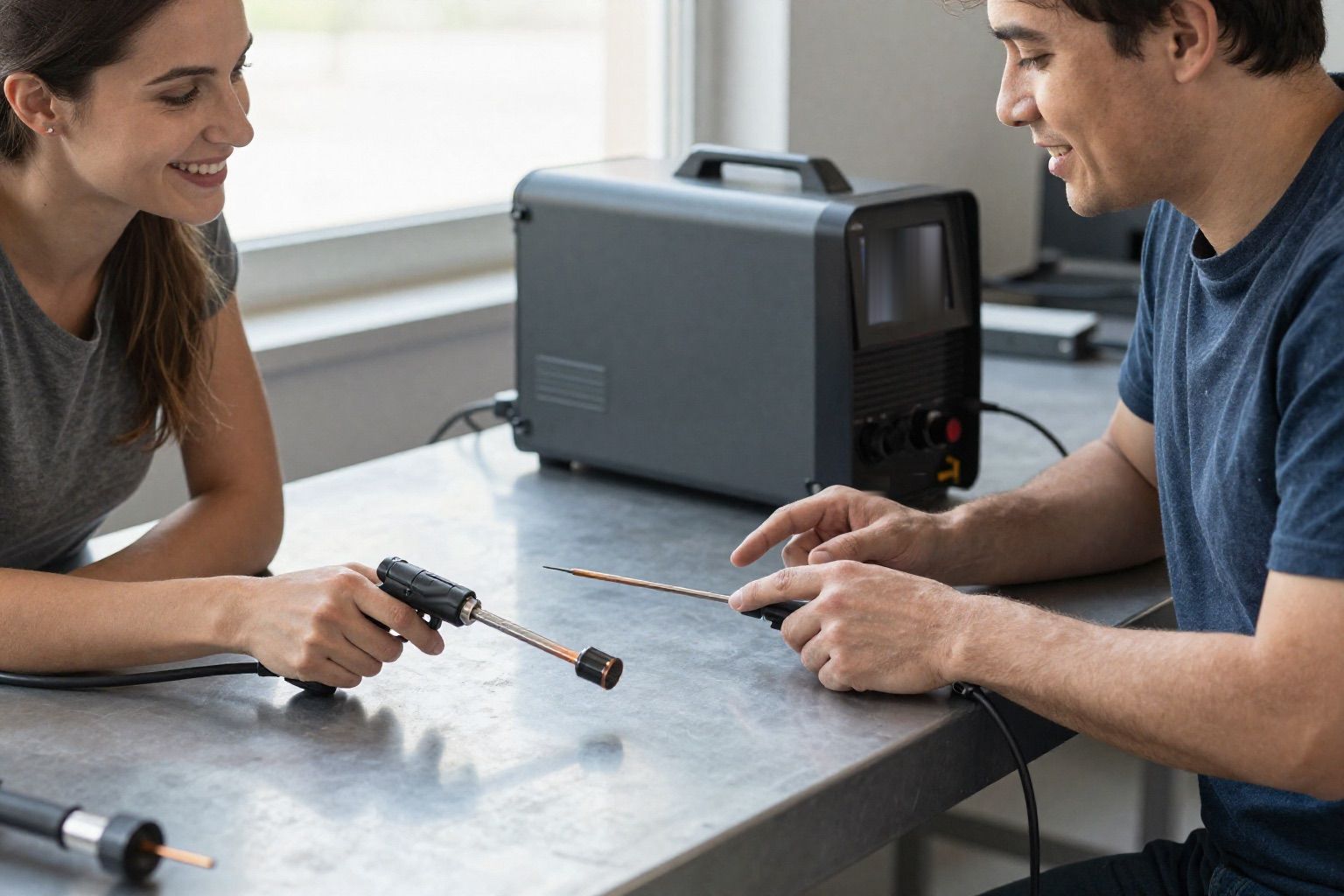
MIG is the fast, forgiving wire process that most beginners learn first, TIG is the slow, two-handed process for clean and precise welds on thin steel, stainless and aluminum, and stick is the rugged one for thicker, rusty or windy-outdoor steel. If you want all three without buying three machines, a multiprocess welder runs MIG, TIG and stick from one box. Here is how the processes differ in numbers, which one fits which project, and which of our rated machines covers which mix.
Our rankings for this: best multiprocess welders, best TIG welders and TIG & stick welders.
Affiliate disclosureAs an Amazon Associate we earn from qualifying purchases made through links on this page. Commissions never change our ratings.
How MIG, TIG and stick work
MIG (GMAW) feeds a solid wire from a spool through the gun at a set speed. The arc melts the wire into the joint while a shielding gas, usually CO2 or an argon/CO2 mix, keeps air away from the puddle. The same machine can run flux-cored wire (FCAW), which makes its own shield and needs no gas bottle. Miller Electric calls MIG the easiest process to learn, with fast travel speeds and no slag to chip.
TIG (GTAW) uses a tungsten electrode that does not melt. Argon protects the weld, and you add filler rod with your other hand while a foot pedal or torch control sets the heat. That is why TIG needs both hands and more practice, and why it gives the cleanest, most controlled bead of the three.
Stick (SMAW) burns a flux-coated rod. The coating creates the shielding gas and leaves a slag crust on the bead. There is no gas bottle and no wire feeder, which makes stick cheap, portable and tolerant of dirty metal, but striking and holding the arc is harder to learn.
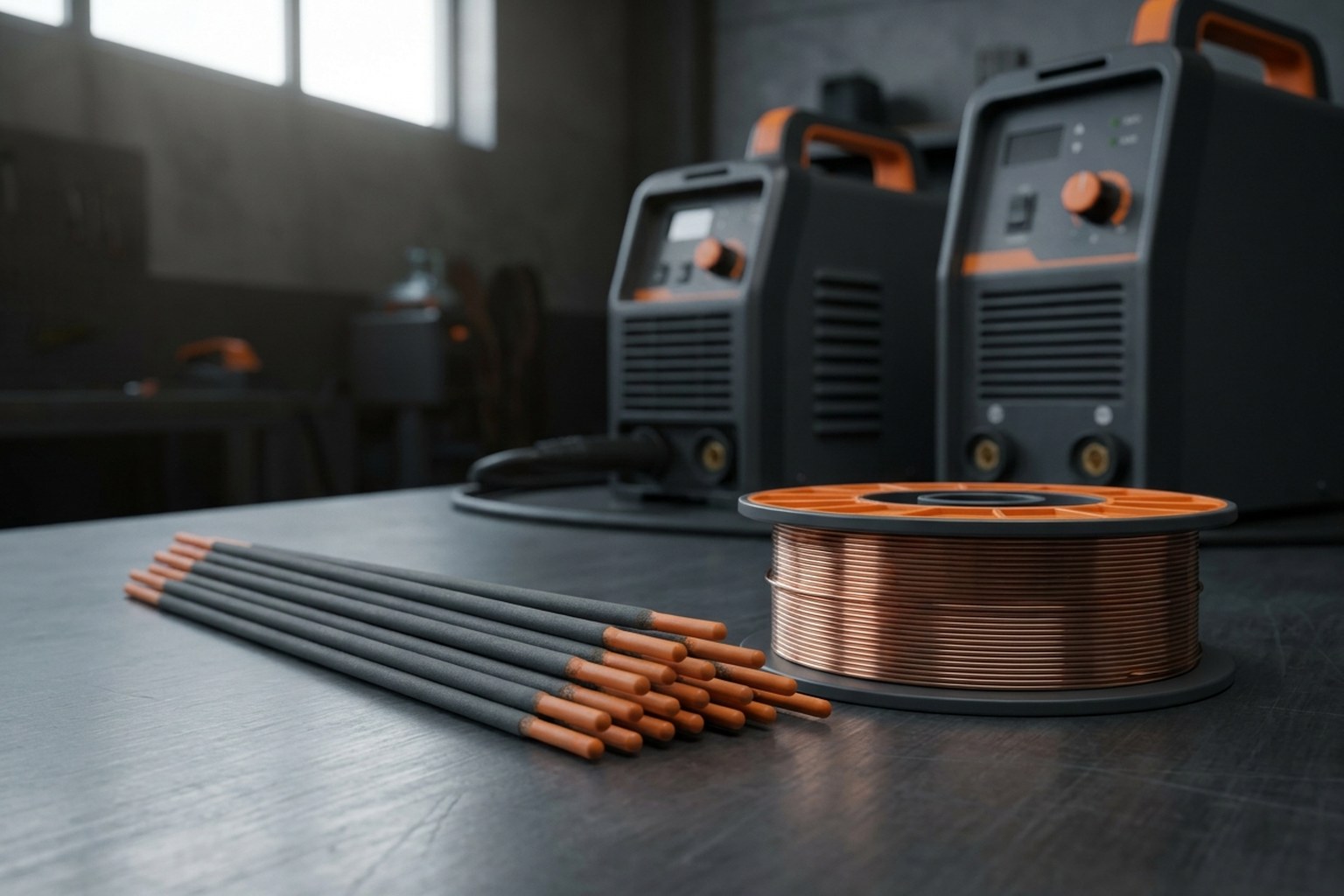
MIG vs TIG vs stick side by side
| MIG / flux-core | TIG | Stick | |
|---|---|---|---|
| Learning curve | Easiest to learn | Hardest and slowest | Harder to strike and hold the arc |
| Thinnest steel (Miller) | About 26 gauge | Thin sections are its strength | No thinner than 18 gauge |
| Shielding | Gas bottle, or none with flux-core wire | Argon bottle | Flux coating, no bottle |
| Wind and dirty metal | Flux-core copes; gas shielding can blow away | Needs clean metal | Copes well |
| Cleanup | No slag with gas; slag with flux-core | No spatter or slag | Slag and spatter to clean |
| Fume (OSHA ranking) | Flux-core most, gas MIG third | Least | Second |
| Helmet shade, typical home amperage (OSHA minimum / suggested) | 10 / 11 at 60-160 A | 8 / 12 at 50-150 A | 8 / 10 at 60-160 A |
The thickness limits come from Miller's buyer guide, the fume order from OSHA's welding fume fact sheet (flux-core makes the most fume, then stick, then gas MIG, then TIG) and the shades from OSHA's eye protection fact sheet. OSHA's tip for shades: start darker than you need, then go lighter until you see the puddle, without going below the minimum.
Which process for which project?
Miller suggests starting from the projects you will weld most and the metal thickness they involve, because that decides the process and the amperage. Its typical thicknesses:
| Project | Typical thickness | Where we would start |
|---|---|---|
| Bicycles, lawnmowers, tube frames | 1/16 in | MIG, or TIG for neat joints |
| Boats, carts, motorcycles | 1/16 to 1/8 in | MIG; TIG on aluminum |
| Auto body | 3/16 in or less | MIG |
| General to heavy repair | 3/16 to 1/4 in | MIG, flux-core or stick |
| Trailer frames and fencing | 1/4 to 5/16 in | Flux-core or stick |
| Farm, ranch, landscape | 5/16 to 3/8 in | Stick or flux-core, outdoors |
Miller's rule of thumb for amperage is 1 amp per 0.001 inch of steel, so 1/8 inch needs about 125 A and 1/4 inch about 250 A. That is the number to hold against a listing before you get excited about the process count; our guide to amperage and thickness claims goes through it.
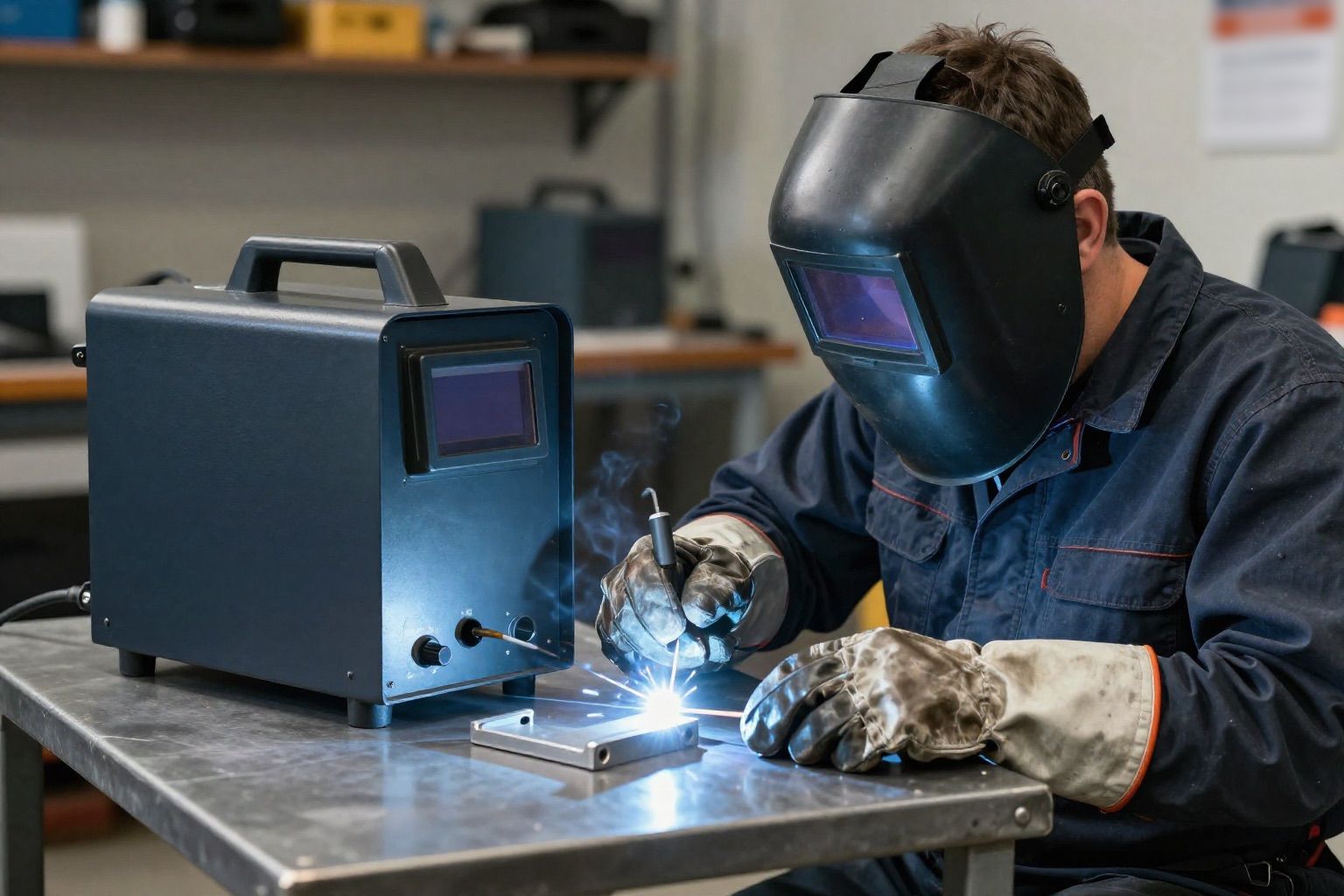
Which one should a beginner learn first?
For most people it is MIG, or gasless flux-core if you weld outside. You pull the trigger, the wire comes by itself and you can lay a usable bead quickly on thin to medium steel. Stick is the next step for heavier, rusty steel. TIG is worth learning once you want aluminum, stainless or visible welds that need no grinding, but expect it to take the longest.
A common mistake is buying for the hardest job you might do one day. Buy for the job you will do every week, and check that the machine can grow: a multiprocess welder that lists stick and lift TIG lets you try both later without a second purchase. Our beginner's guide covers the first setup.
Safety is not the same for each process
- Light: TIG at higher amperage calls for a darker shade than many people expect (OSHA suggests 12 at 50-150 A, 14 above 150 A). A variable-shade auto-darkening helmet that reaches shade 12 or darker covers all three at home amperages.
- Fume: flux-core and stick make the most fume. OSHA recommends removing paint and coatings first, keeping your head out of the plume and using local exhaust close to the arc; welding outdoors is not automatically enough.
- Sparks: MIG, flux-core and stick throw spatter. OSHA's rule for workplaces is to move combustibles at least 35 feet (10.7 m) away or cover them, and to keep an extinguisher ready. It is a sensible rule for a garage too.
- Gas bottles: argon and CO2 displace oxygen and can cause suffocation in confined or enclosed spaces (OSHA). Never weld in a small closed room.
More in our welding safety and PPE guide.
One machine for MIG, TIG and stick: which of our picks fits
All three machines below come from our multiprocess welder ranking. The process lists and input voltages are taken from the exact listings.
- Cheapest route to all three on a household outlet: YESWELDER 135A 3-in-1 MIG Welder (rated 9.4/10). The listing says 110 V, flux-core gasless MIG, lift TIG and stick. Gasless only, so no gas MIG on thin sheet, but it is the most-reviewed machine in our ranking.
- Gas MIG, aluminum by spool gun, TIG and stick, on 120 or 240 V: YESWELDER 205A 5-in-1 MIG Welder (8.7/10). The listing names MIG, flux-core, spool gun MIG, lift TIG and stick, and dual voltage for more output on a 240 V circuit.
- A middle step with dual voltage: YESWELDER 160A MIG Welder (8.7/10), listed with MIG, flux-core, lift TIG and stick at 110/220 V.
- If TIG on aluminum is the goal: none of the three lists AC output, and aluminum TIG needs AC (Miller). Look at an AC/DC TIG and stick machine such as Weldpro 200A AC/DC Pulse TIG Welder (9.4/10) in our AC/DC TIG ranking; it has no MIG mode.
Check what ships in the box before you buy: some listings count a process whose torch is sold separately. Our multiprocess buying checklist shows how to read that part of a listing.
Our rated picks
The three best-rated models of our best multiprocess welders ranking, from the buyer review record and the listed specs.
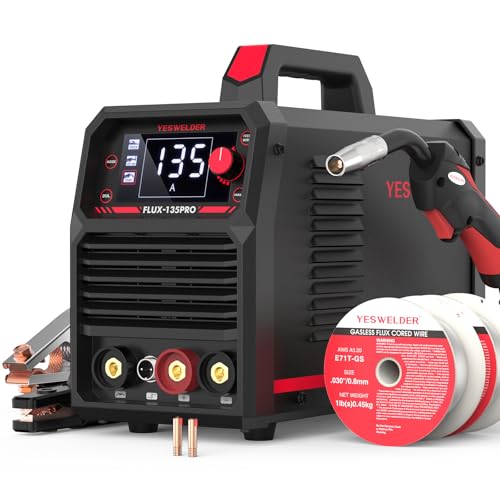


Product images: Amazon listings
Frequently asked questions
Which is easier to learn: MIG, TIG or stick?
MIG is the easiest of the three, according to Miller Electric: the wire feeds itself and there is no slag. Stick is harder because striking and holding the arc takes practice, and TIG is the hardest and slowest because it needs both hands and usually a foot pedal.
Is there a welder that does MIG, TIG and stick?
Yes. A multiprocess welder runs MIG, TIG and stick, and usually flux-core, from one machine. Check that the listing names each process and says which torch or holder ships for it; our multiprocess welder ranking compares them.
Which welding process is strongest?
None of the three is stronger by nature. A weld is as strong as its fusion and its filler, and Miller stresses choosing a filler that meets the mechanical requirements of the job. TIG gives the most control, stick and flux-core penetrate thick steel well.
Which process is best for welding outdoors?
Stick or self-shielded flux-core, because neither relies on a shielding gas that the wind can blow away. Miller recommends them for farm and ranch work outside.
Sources
- Miller Electric — Buying Your First Welder: A Practical, Informative Guide for Do-It-Yourselfers (consulted Nov 2026)
- Miller Electric — The Fundamentals of Welding: Process, Equipment and Applications (consulted Nov 2026)
- Miller Electric — Guide to TIG Welding Basics (consulted Nov 2026)
- U.S. Occupational Safety and Health Administration — Eye Protection against Radiant Energy during Welding and Cutting (fact sheet, PDF) (consulted Nov 2026)
- U.S. Occupational Safety and Health Administration — Controlling Hazardous Fume and Gases during Welding (fact sheet, PDF) (consulted Nov 2026)
- U.S. Occupational Safety and Health Administration — 29 CFR 1910.252: Welding, cutting and brazing, general requirements (consulted Nov 2026)